
Gelatine is halal or haram depending on its source. Pork gelatine is not halal, fish gelatine is halal, and beef gelatine is halal only if the cattle were slaughtered according to halal requirements and the product is certified.
That matters because gelatine hides in sweets, marshmallows, jelly, mousses, some yoghurts, cheesecakes, capsules and vitamins, and the label often tells you almost nothing useful.
The good news is that the rule is simple once you know it. The bad news is that UK labelling frequently makes it hard to apply. Here is the plain English version.
The short answer
Pork gelatine is haram. No processing, purification or chemical transformation changes that in the view of the overwhelming majority of scholars. Fish gelatine is halal and is widely accepted, because fish do not require ritual slaughter. Beef gelatine is halal only if the cattle were slaughtered according to halal requirements. If a label just says “beef gelatine” with no halal certification, its status is doubtful, and many scholars treat doubtful ingredients as best avoided.
That third category is where most of the confusion lives, and where most people get caught out.
What gelatine actually is
Gelatine is a protein derived from animal collagen, produced by boiling skin, bones and connective tissue. It sets liquids into a wobble, which is why it turns up across so many food products, from confectionery to capsules.
The confectionery industry leans heavily on pork gelatine because it is cheap, plentiful and gives the chewy texture people expect from gummy sweets. That single commercial fact is why so many British sweets are off the menu for Muslim shoppers, and why halal-certified sweet ranges have grown so quickly.
You may also see gelatine listed as E441 on some labels, though this is less common in the UK than a plain ingredient name.
The three sources, in detail
Pork gelatine (porcine)
Haram, without qualification. Pork and all its derivatives are prohibited in Islam, and the scholarly consensus is that processing does not change the ruling. Some manufacturers argue that gelatine is chemically transformed enough to be a different substance; the mainstream scholarly position rejects this.
Fish gelatine
Generally halal, and often described as the safest default. Fish are permissible without ritual slaughter under most schools of thought, so gelatine from fish skin carries no slaughter question at all.
It is increasingly used in halal-certified desserts and patisserie for exactly that reason, and its setting properties make it a practical choice for manufacturers serving Muslim consumers rather than a compromise.
Beef gelatine (bovine)
This is the one that needs care. Cattle are a permitted animal, but only when slaughtered correctly. Gelatine made from cattle killed in a standard commercial abattoir, without halal slaughter, is considered haram or at least mashbooh, meaning doubtful, by most scholars.
So “bovine gelatine” on a packet is not a green light. What you want is halal-certified bovine gelatine, where the supply chain has actually been verified. Without certification, you are guessing at the source.
What about kosher gelatine?
Kosher gelatine follows Jewish dietary law, which shares some ground with halal slaughter. Some scholars accept it as permissible; others do not, particularly where the source is unclear. Views genuinely differ, so this is one to take to your own scholar rather than to the internet.
How to check a label in the UK
UK law requires gelatine to be declared in the ingredients list, but it does not require the species to be specified. That gap is the whole problem.
Look for these, in order of reliability:
- A halal certification mark. This settles it completely, because certification covers not just the source but the processing, including keeping the product away from haram substances on the production line.
- “Fish gelatine” stated explicitly. Reliable.
- “Suitable for vegetarians”. This means no gelatine at all, which sidesteps the question entirely.
- “Halal bovine gelatine”. Fine, provided the label actually says halal rather than just beef.
Treat these as unknown: plain “gelatine”, “gelatin”, “E441”, “beef gelatine” with no certification, and “animal derivatives” of any kind. Unknown is not the same as haram, but if you keep halal strictly, unknown usually means leave it.
Imported sweets deserve extra caution, since labelling standards vary by country.
The gelatine-free alternatives
Plenty of setting agents involve no animals at all, which is why some desserts are simply not a problem.
Pectin comes from fruit and sets most jams and many sweets, holding shape in much the same way gelatine does. Agar agar comes from seaweed and is a common vegetarian substitute. Carrageenan, also from seaweed, appears in dairy desserts and some milkshake mixes. Cornflour and starches thicken plenty of puddings without any gelling agent at all.
These plant-based alternatives do the same job in sweets, desserts and some capsules, and they suit vegan and vegetarian diets as well as halal ones. They are also easier to assess, because a label naming pectin or agar agar tells you everything you need to know in one word.
Cheesecakes, brownies, cakes and chocolate desserts are frequently gelatine-free by design, which is worth knowing when you are choosing dessert somewhere new.
Where this bites at the dessert counter
Sweets and jelly are the obvious cases. Gummy sweets, marshmallows and jelly beans are where most people first get caught.
But gelatine turns up in places you would not expect: some mousse-based desserts, certain cheesecake toppings, marshmallow pieces used as a topping, whipped toppings, and even a few sweet sauces. In a dessert with eight components, it only takes one.
This is why the safest approach at a dessert shop is not to interrogate each item but to choose a kitchen where the whole menu is halal to begin with. One certified ingredient in a stack of eight does not make the dish halal. Our halal vs haram ingredients guide works through the wider list, and is cheese halal handles the rennet question that causes similar problems.
Dessert without the label reading
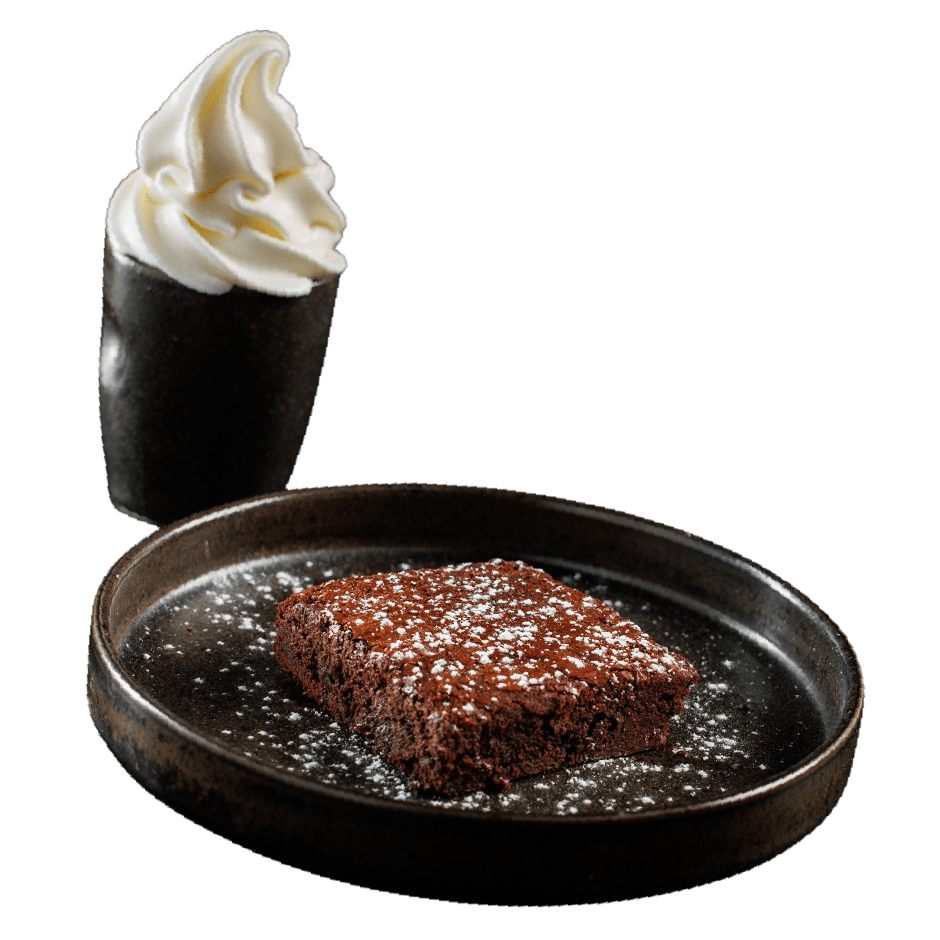
At Legends, everything is 100% halal, desserts included. That covers the Loaded Brownies and every topping you can put on them, from Ferrero Rocher to Lotus Biscoff, the Camden Cheesecakes, the chocolate fudge cake and peanut butter stack, and all five Legendary Shakes.
No squinting at ingredient lists, no asking the person at the till to check a box in the back. It is the whole point of a kitchen that was built halal from the start rather than adapted into one.
If you want the full dessert rundown, our guide to ending a burger night properly covers what to order and when. Otherwise, have a look at the menu, find your nearest store on the stores page, or order online with 20% off your first website order.
Frequently Asked Questions
Is beef gelatine halal?
Only if the cattle were slaughtered according to halal requirements and the product carries halal certification. Uncertified “beef gelatine” is considered doubtful by most scholars.
Is fish gelatine halal?
Yes, generally. Fish do not require ritual slaughter under most schools of thought, so fish gelatine is widely accepted as halal and is often the safest option.
Is pork gelatine ever halal?
No. Pork and its derivatives are prohibited, and the mainstream scholarly view is that processing does not change this.
Are marshmallows and jelly sweets halal?
Most conventional UK marshmallows and gummy sweets use pork gelatine and are not halal. Halal-certified ranges and gelatine-free versions using pectin or agar agar are widely available.
What can replace gelatine?
Pectin from fruit, agar agar and carrageenan from seaweed, and ordinary starches. All are plant-based and avoid the question entirely.
Does halal certification cover more than the source?
Yes. A proper certification checks the processing as well, including that the gelatine has not been contaminated with haram substances on shared production lines.
Are Legends desserts gelatine-free and halal?
Every Legends dessert is 100% halal, including all brownies, cheesecakes, cakes, shakes and toppings, in every store.
